
Compliance Package of the Year Winner 2005
Overview of Non-Compliance with Medication
Allan Wilson, MD, Ph.D.
 
Historically, those involved in health care have known that many patients do not comply with recommended treatment. The extent of non-compliance has only become apparent during the last two decades. Research has now demonstrated the problem of non- compliance in most areas of medicine and other health care fields.
 
The greatest problems with patient non-compliance are in the area of clinical pharmacy. With rapid advances in our understanding of the biological basis of medical and psychiatric disorders, the most widespread biological approach to medical and psychiatric disorders is pharmacotherapy.
 
Rational Non-Compliance with Medication
So-called "rational non-compliance" involves well-intentioned patients who fail to take their medication as prescribed. Although there are many explanations for rational non-compliance, most cases can simply be attributed to forgetfulness. Patients may:
  • Take their medication at the wrong time
  • Take extra doses
  • Take extra medication for a given dose
  • Omit doses
  • Use outdated medication
  • Take the wrong medication
  •  
    Clinical Trials and Medication Non-Compliance
    Perhaps the most critical point for measuring patient compliance is during the clinical research trials used to determine the efficacy of new pharmaceuticals. On the basis of the results of such trials, new medications are either approved for general medical use or abandoned. Inaccurate clinical trials data can result in sub-optimal dosing strategies or even abandonment of promising medications. Such erroneous decisions can ultimately have enormous adverse consequences for the R&D process.
     
    Clinical Use and Medication Non-Compliance
    Clinical pharmacy is also an important area for compliance. Many chronic illnesses require long-term pharmacotherapy for their control. Compliance is known to decrease with duration of therapy, dropping off most rapidly during the first few months of treatment. If the treating physician knew that a patient was not taking the medication as prescribed, she could target remedial education to encourage compliance.
     
    Pharmaceutical Packaging and Compliance
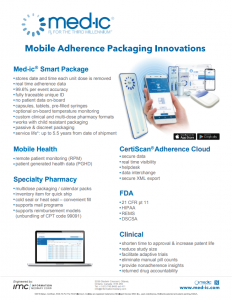
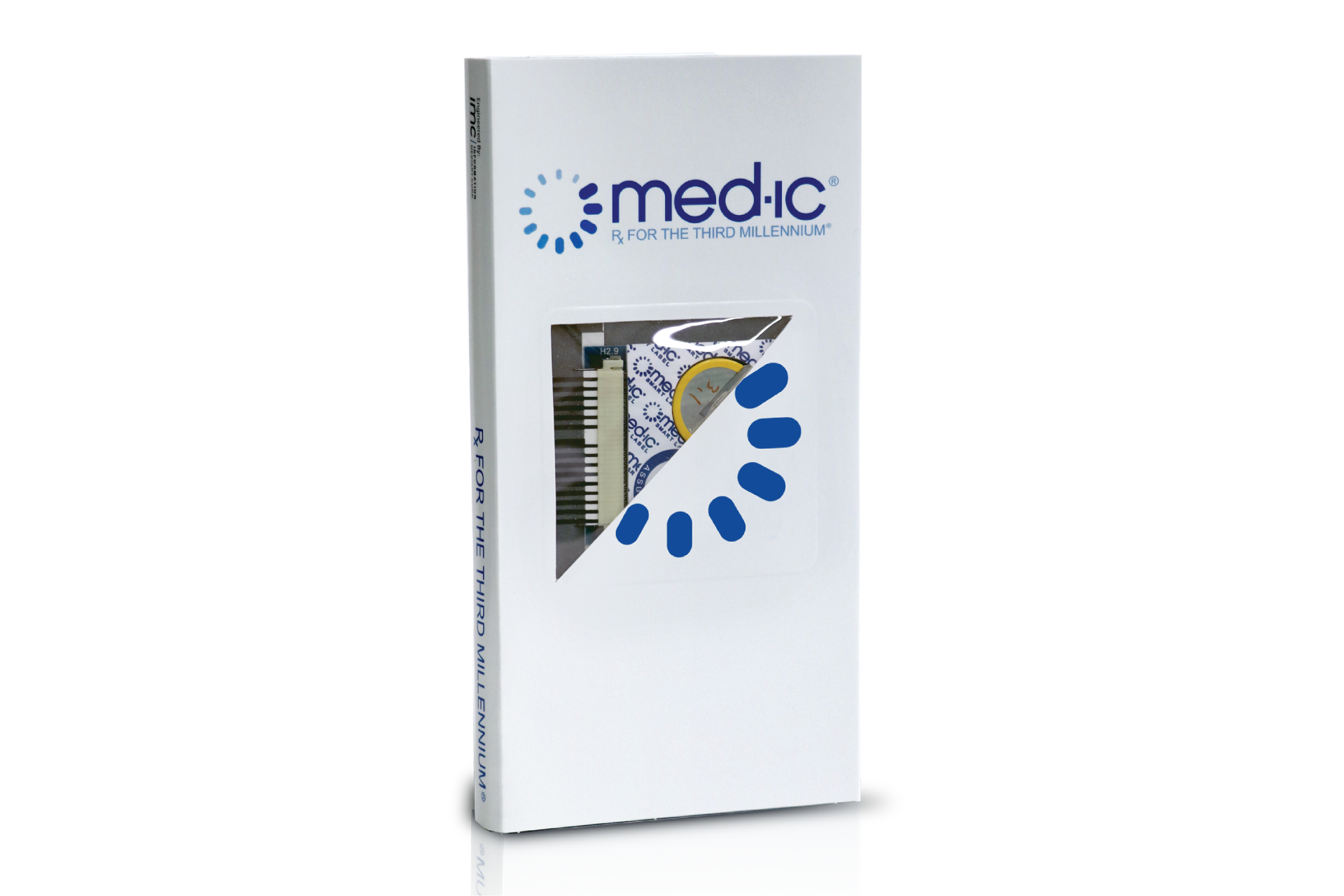
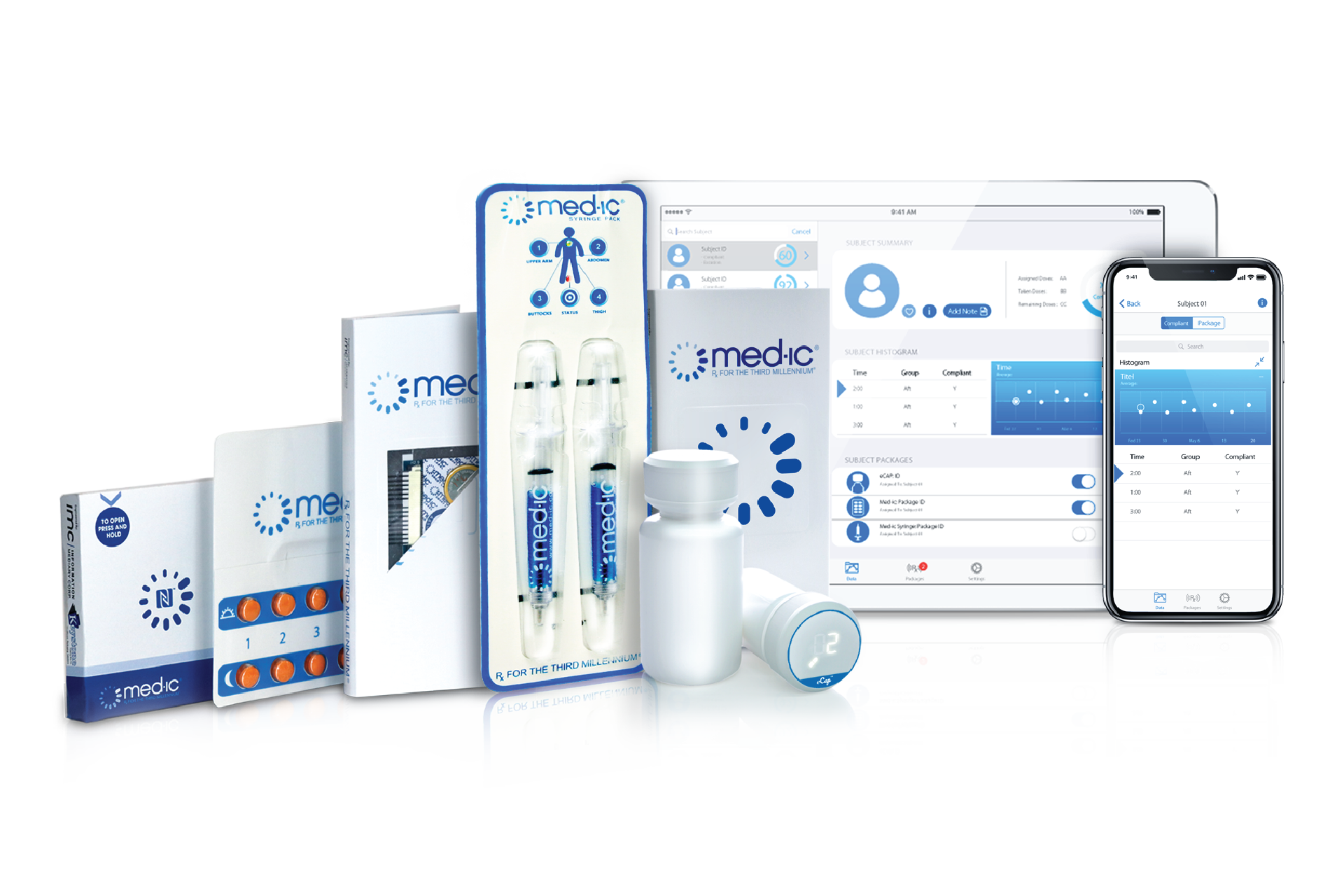
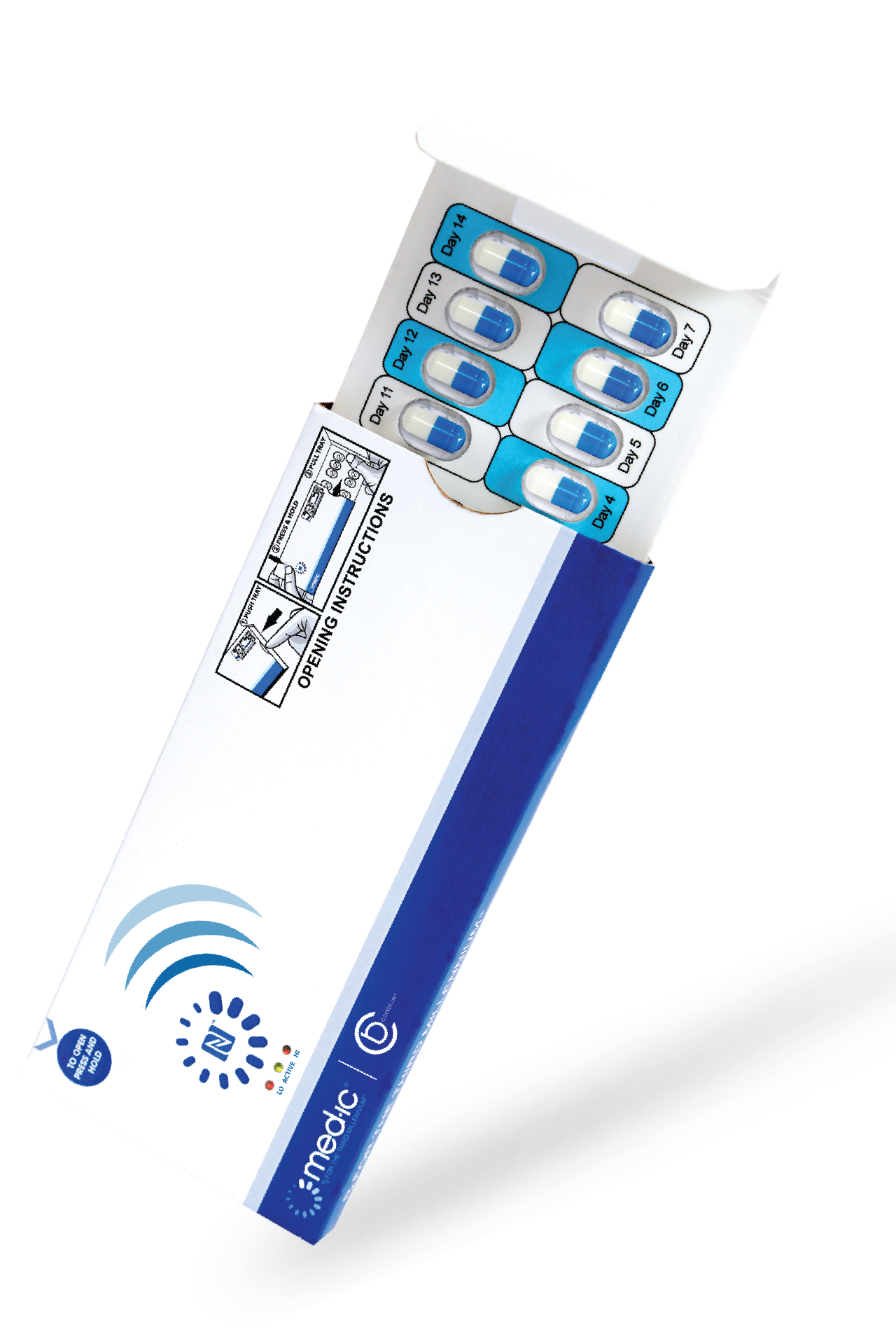
    Traditionally, medication has been dispensed in prescription vials. The biggest trend in pharmaceutical packaging, however, is toward the form-fill-seal or blister package. The belief is that more convenient packaging and intuitive graphics will improve medication compliance. Although the trend toward blister packaging has stimulated innovative designs targeted at increasing compliance, there is still no method of tracking actual medication use.
     
    Financial Cost of Medication Non-Compliance
    It is impossible to accurately assess the cost of medication non-compliance to world health care systems. The National Pharmaceutical Council, an industry research organization, estimates that non- compliance with medication adds over US $100,000,000,000 annually to the U.S. health care system. It has also been estimated that medication non-compliance was responsible for 125,000 unnecessary deaths in 1990 alone. Further, 11 percent of hospitalizations (over one million per year in the U.S.) are the direct result of poor compliance with prescribed medication. Extrapolation of these estimates yields staggering costs to world health care systems.
     
    Return to Non-Compliance.
     
    Event Listings
    Bangkok, Thailand
    May 13-17 2009
    The Winning Choice in Asia
    Miami Intercontinental, Miami, FL
    June 2-3, 2009
    Kuala Lumpur
    Aug 11-14 2009
    Make way for Malaysia's Official Food & Hotel Show